
By Suzanne Corbett
Thanksgiving Day is devoted giving thanks and culinary indulgence. A day to celebrate the economics of having enough to eat, a serious concern for the Pilgrims of Plimoth (the old English spelling) who nearly starved to death during their first year.

Forget the sugared and cooked cranberries. At the time, sugar was an expensive luxury and in short supply. Cranberries would more likely be found folded into a stuffing for meat. And whipped potatoes, apple pies and candied sweet potatoes would also be off the menu since in 1621 a crop for apples, potatoes and sweet potatoes had yet to be established.
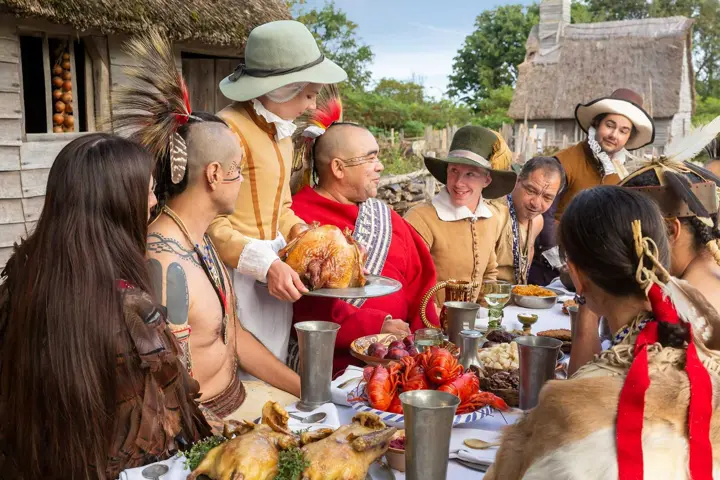
So, what was on the menu? According to Plimoth Plantation’s food historians boiled lobster, roasted venison, boiled turkey, rabbit, Indian pudding with dried berries and stewed pumpkin.
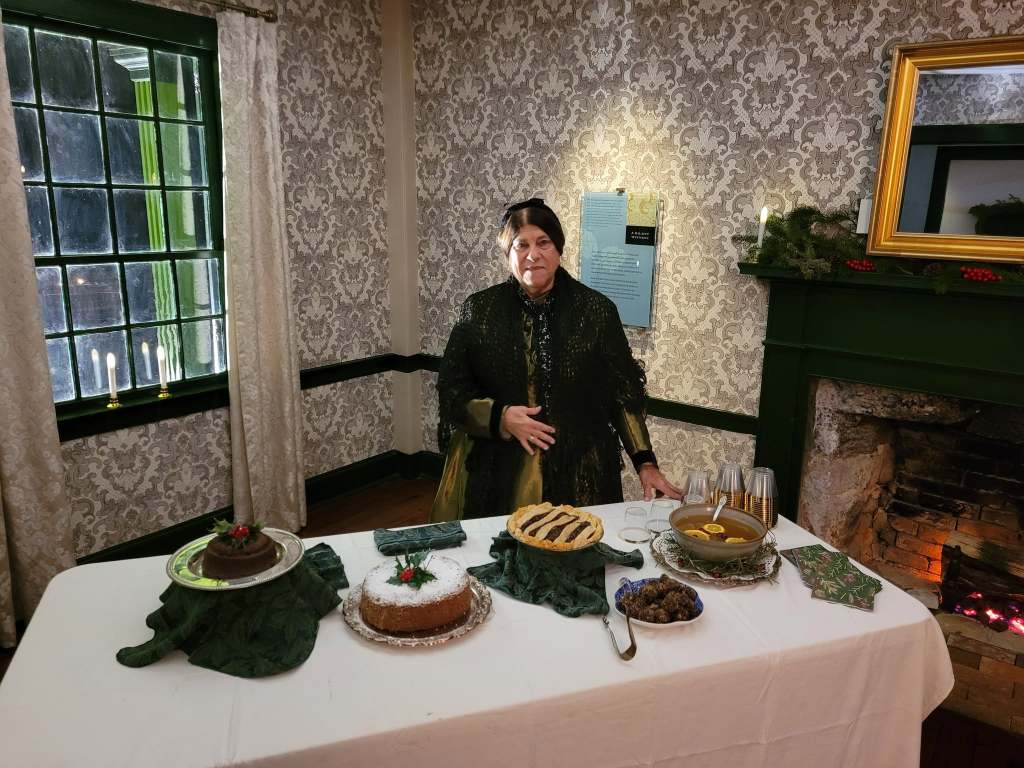
Each year Plimoth Plantation recreates both a Pilgrim Thanksgiving and a Victorian Thanksgiving for guests to experience. The 1621 Harvest Feast is featured at the Plantation during October and November. Plimoth also recreates an 1863 Victorian Thanksgiving, which transports guests back to the time of Lincoln, who officially proclaimed Thanksgiving a national holiday. The 1863 menu features the traditional New England items as oysters, roast turkey and stuffing, mashed potatoes, cranberry relish and pumpkin pie.
What makes eating Thanksgiving dinner memorable at the Plimouh Plantation is the location itself. However, for those wanting to add a little historical twist to this year’s Thanksgiving menu try the recipe for Stewed Pumpkin, courtesy of Plimoth Plantation, or one of my updated vintage recipes for Roasted Wild Turkey and Indian Pudding.
Stewed Pumpkin
8 cups pumpkin, peeled and diced
1/4 cup water
2 Tablespoons. butter
3 Tablespoons vinegar
1/4 cup brown sugar
1/4 teaspoons ground ginger
1/4 teaspoons cinnamon
salt to taste
Place pumpkin and the water into a large saucepan, cover and steam over a low heat until tender. (Best if steamed in a basket). Drain, return pumpkin to cook pot; stir in butter, vinegar, brown sugar, ginger, cinnamon and salt. Serve as a side along with the cranberry sauce.
Roasted Wild Turkey
1 Wild Turkey
two strips of bacon
cheesecloth (used in prepping bird for roasting)
1/2 cup butter
Salt and Pepper
Place turkey in a roasting pan on a rack. Lay the bacon strips over the breast. Cover the breast with cheesecloth and pour butter over the turkey so the cloth is saturated. Sprinkle with salt and pepper. Roast in the oven at 350 degrees for 20 minutes per pound, basting frequently with the juices. When the bird is about done, remove the cloth and the bacon strips to brown the bird a little more, if necessary.
Indian Pudding with Brandy Butter Sauce
1 1/2 qt (6 cups) milk
1 cup cornmeal
2 large eggs
1/2 cup molasses
4 Tablespoons. butter, room temperature
1/4 cup sugar
1 1/2 tablespoons cinnamon
1 1/2 teaspoons nutmeg
1/2 teaspoons salt
1/4 teaspoons baking powder
Heat oven to 300 degrees.
Butter a 2 qt baking dish. In a large saucepan, scald milk. In a large bowl, whisk together the cornmeal, eggs, molasses, butter, butter, sugar, cinnamon, nutmeg, salt and baking powder. Pour in the hot milk. Pour into the saucepan which the milk was scalded and cook over a medium heat; bring to a gently simmer. Pour into buttered baking dish. Place shallow pan of water on the lower oven rack. Place the pudding dish on the rack above the water pan. Bake until firm, about 3 1/2 – 4 hours. (Time can be cut in half if baking in small pudding or custard cups.) Pudding best when served warm. Make a day in advance. To reheat place pudding in a 350° until warmed through, about 20 minutes.
Brandy Sauce
1 stick butter
1/4 teaspoon. salt
2 cups powdered sugar
3 Tablespoons heavy cream
2 Tablespoons brandy
Cream butter, salt and sugar together until light and fluffy. Slowly whip in cream and brandy. The sauce should be thick like frosting. Serve with pudding.