


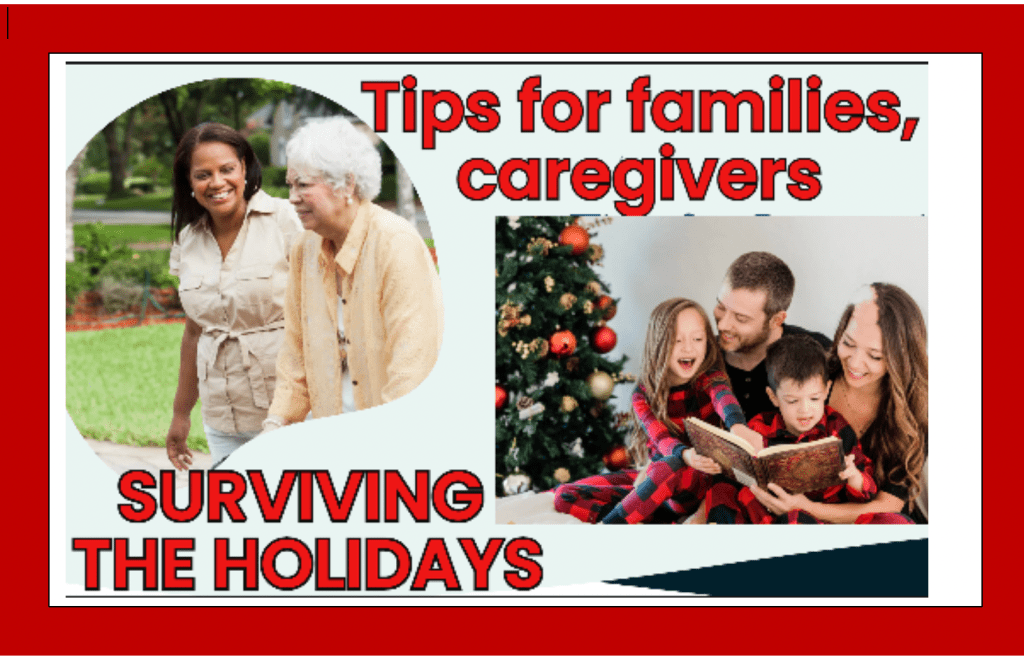
Information supplied in party by ArchWell Health
Both Christmas and Hanukkah are on Dec. 25 and with just about a week to go until the big days, people are scrambling to get all their work done. Gifts are being bought, cookies made, decorations dragged out, trees set up and special menus are being planned. This can be extremely challenging to those who are caregivers.
And adding to all the hustle and bustle is Seasonal affective disorder (SAD) –a type of depression that’s related to changes in seasons. The Mayo Clinic says, “Don’t brush off that yearly feeling as simply a case of the “winter blues” or a seasonal funk that you have to tough out on your own. Take steps to keep your mood and motivation steady throughout the (season).”
Adding more light can help as well as activities that bring you joy. Everything at the holidays does not have to be “preparing” for the “big day.” You can enjoy every day along the way if you take steps to go easy on yourself– even if you are caring for someone full time.
There are two ends to the spectrum of caregivers: young parents and those caring for their elderly parents. In between are those caring for family members or friends who are sick, injured, or special needs.
HealthyChildren.com says, “the changes in family routines and extra demands on time can also cause some added stress, especially for children and parents” and offer the following tips for young families:
Here are some tips to help your family enjoy the best of the holiday season:
- During the busy holiday time, try to keep household routines the same. Stick to your child’s usual sleep and mealtime schedules when you can, which may reduce stress and help your family enjoy the holidays.
- Take care of yourself, both mentally and physically. Children and adolescents are affected by the emotional well-being of their parents and caregivers. Coping with stress successfully can help children learn how to handle stress better, too.
- Make a plan to focus on one thing at a time.
- Give to others by making it an annual holiday tradition to share your time and talents with people who have less than you do.
- Remember that many children and adults experience a sense of loss, sadness or isolation during the holidays.
- Don’t feel pressured to over-spend on gifts.
- Most important of all, enjoy the holidays for what they are–time to enjoy with your family.
We often don’t think of raising our children as being a caregiver, but it is. Your life can revolve around those little ones and your spouse, but in order to be the best YOU you can be you should take care of yourself.


In fact, according to AARP’s 2023 Caregiving in the U.S. study,
- 74% of caregivers surveyed said they were stressed,
- 61% were experiencing anxiety, and
- 51% were grappling with sadness or depression.
All those challenges can leave caregivers so frustrated and exhausted that they’re not able to effectively care for their loved ones—or themselves.
Treating yourself to a little self care—a massage, lunch with a friend or, even, just a favorite piece of chocolate after a long day—might provide a quick breather. But these usual tips for caregivers—a short break or a sweet treat—don’t go far enough.
As we head into National Family Caregivers Month, here are six tips to prevent caregiver burnout for the long term, presented by ArchWell Health.
1. Accept help
Many caregivers go it alone. According to the AARP survey, just 21% “strongly agree” that they get enough help from others for their caregiving duties.
Sometimes that lack of support comes because caregivers don’t have family or friends close by who can chip in. But sometimes it’s because caregivers have declined help in the past. Guilt, a sense of duty, or a belief that nobody else can adequately care for their loved one are all common reasons why caregivers don’t accept help.
But accepting help isn’t a sign that you’re not up to supporting your loved one. Welcoming assistance provides you with the breaks required to make you a better caregiver. When friends, family or neighbors offer to help, take them up on it.
2. Delegate tasks
Teamwork makes the dream work, as the saying goes. Dividing up caregiving tasks among relatives, friends, neighbors or other helpers—such as an in-home health aid—helps reduce the stress and strain on the primary caregiver.
Some people may enjoy sitting for long stretches to do puzzles or play cards with the person you’re caring for. Others excel at going along for doctor’s visits to ask pointed questions and take notes. And some won’t mind helping with weekly errands or chores. Find ways to lean on everyone’s strengths while taking some things off your own plate.
For guidance on how to coordinate tasks, check out the National Institute on Aging’s coordinating caregiving responsibilities worksheet.
3. Take advantage of transportation assistance
Caregivers can spend the bulk of their days behind the wheel, driving to doctor’s appointments, rehab, or to the store to pick up groceries and prescription medications. But maybe you don’t need to be on the road so often.
Transportation services for older adults and those with disabilities exist to help people get where they need and provide a break for caregivers. To find transportation assistance near you, the Eldercare Locator and the National Council on Aging can connect you to resources in your local area.
4. Meet with social workers
When you’re caring for someone, your needs and their needs are constantly changing. A once stable chronic illness can unexpectedly worsen. Symptoms of dementia can move into later stages, requiring more help with daily care. A new diagnosis of cancer or another serious illness can trigger the need for new levels of support. A caregiver’s own health and responsibilities can change over time as well.
That’s why it’s always important to regularly check in with social workers at an ArchWell Health Center or elsewhere. Social workers can tell you about caregiving-related resources for whatever part of the caregiving journey you’re on.
5. Connect with people who get it
When it comes to stressful situations, it always helps to talk it out with people who understand. And research shows that caregivers can reduce their anxiety and emotional distress and boost their quality of life when they participate in caregiving support groups. During group meetings, caregivers can share their experiences, support each other through difficult times, celebrate successes and share information and resources.
What’s more, meeting regularly with other caregivers and boosting your community connections can decrease a growing problem among caregivers—loneliness. Some 38% of caregivers say that the role has increased their levels of loneliness, according to the AARP study. An ArchWell Health social worker can connect you with groups in your region.
6. Build a caregiving support community
As you gather your resources (which includes help from family, friends and neighbors) and seek guidance from social workers and fellow caregivers, you begin building your very own caregiving support team. And that network of people can be a lifeline of ongoing advice, support and encouragement.
They can be the ones answering your call on the way to a surprise late-night trip to the hospital. And they’re the ones you can lean on for new ideas as you navigate your loved one’s increasing reliance on you.
Trying to manage everything alone as a caregiver can quickly lead to burnout. That strong network of support can relieve your own personal burdens and ensure you have what you need to tend to your loved one’s needs too.
——————-
Some of this information supplied by ArchWell Health.
Need help caregiving? Check in with your local ArchWell Health Center, where social workers are ready and waiting to help you navigate every challenge that comes your way.

